From the first demonstration table to a room full of people building together. These are the projects, workshops, and communities I have been part of.
01 / PUBLIC DEMONSTRATIONS / 2024–2026
Maker Faire
Mare Island / Vallejo, California
Bringing university research out of the lab, then returning with an aquarium people could explore.
2024 / THE FIRST TABLE
Research you could walk up to.
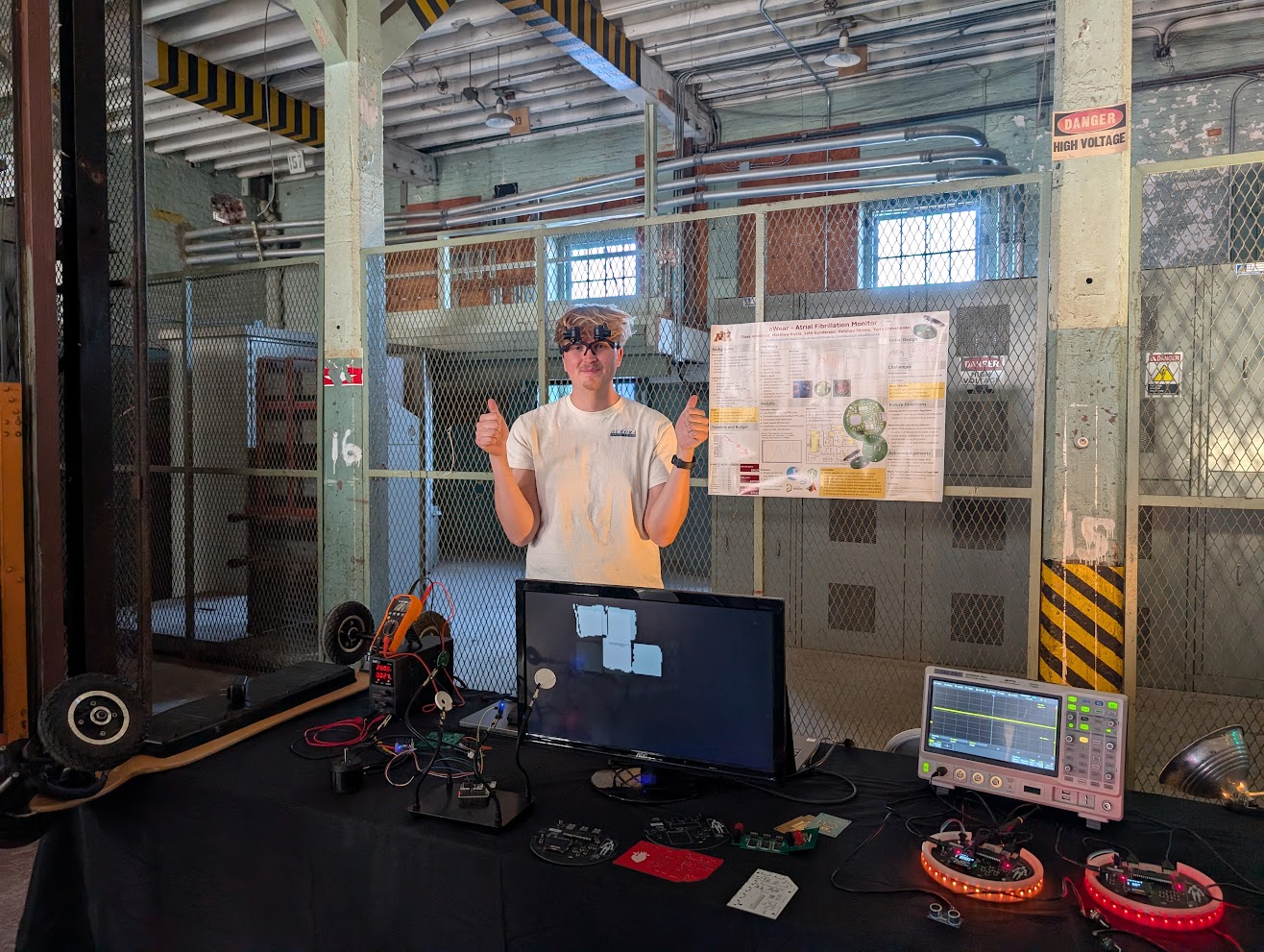
At my first Maker Faire, I presented my thesis work on robotic search alongside the wearable cardiac monitor and other university hardware projects.
The table brought the different parts of that work into one place: a robot demonstration on screen, custom boards, sensing hardware, and working electronics. Visitors could see the builds and ask how they worked.
My first Maker Faire: robotic search, the cardiac monitor, and university hardware projects.
2025–2026 / SYNC TANK
An aquarium as a shared demonstration.
My later presentations centered on Sync Tank: aquarium networking, habitat monitoring, and the hardware and software used to observe aquatic environments.
The 2025 exhibit introduced the robotic camera arm and camera-based observation. The 2026 exhibit brings aquariums, cameras, robotics, and local software together. I explain how the visible camera movements and live views connect to the electronics underneath.
Maker Faire 2026: camera feeds, aquarium hardware, and the mechanisms in use. Select the video for the full walkthrough.
02 / EXHIBITIONS / 2024–2026
Open Sauce
Daly City / San Mateo, California
From sharing university projects to demonstrating an evolving aquarium network.
2024
I attended with a group representing the University of Minnesota, sharing projects and our interests in engineering and robotics.
2025
My first Sync Tank presentation at Open Sauce connected aquarium observation with cameras, robotic hardware, and embedded processing.
2026
I returned for a second Sync Tank presentation, bringing the camera hardware, habitats, and observation interface into the booth.
AT THE BOOTH
The whole system, in front of you.
The aquariums give the demonstration a physical setting. Visitors can look at the habitats, find the cameras, and follow the live views on the display.
I use that setup to explain the connections between the mechanical parts, sensing hardware, and software: how a camera is positioned, how its view reaches the interface, and how those views help us observe life in the tank.
Open Sauce 2026: two aquariums, camera hardware, and the observation interface.
The articulated camera arm and ring light above the aquarium.
A CLOSER LOOK / CAMERA
Positioning the view.
The articulated arm and ring light make the camera hardware visible. This is where I can connect the live image on the display to the mechanism above the aquarium.
The printed Shrimp City habitat and a camera mounted beside the tank.
A CLOSER LOOK / HABITAT
Life inside the tank.
The printed Shrimp City structures give the habitat its own detail. A nearby camera provides another view into the aquarium, bringing habitat observation into the demonstration.
RETURNING WITH THE NEXT BUILD
The exhibit changes as the project grows.
Each presentation shows another stage of Sync Tank. The booth puts the current hardware and software in the same space, with room for questions about how they connect and how they were built.
Exhibitor badges and mementos beside the aquarium.
03 / WORKSHOPS / MENTORSHIP / OUTREACH
IEEE
University of Minnesota / 2021–2024 IEEE International / 2023–2024
Helping students get started with electronics, build together, and share what they learned beyond the chapter.
BUILDING THE CHAPTER
Make a place for people to start.
I served as Membership Coordinator, President, and Treasurer in the University of Minnesota student chapter.
That work included organizing technical workshops, company collaborations, networking events, and community outreach. Chapter events brought people with different levels of experience into the same room, with projects and practical activities to work on together.
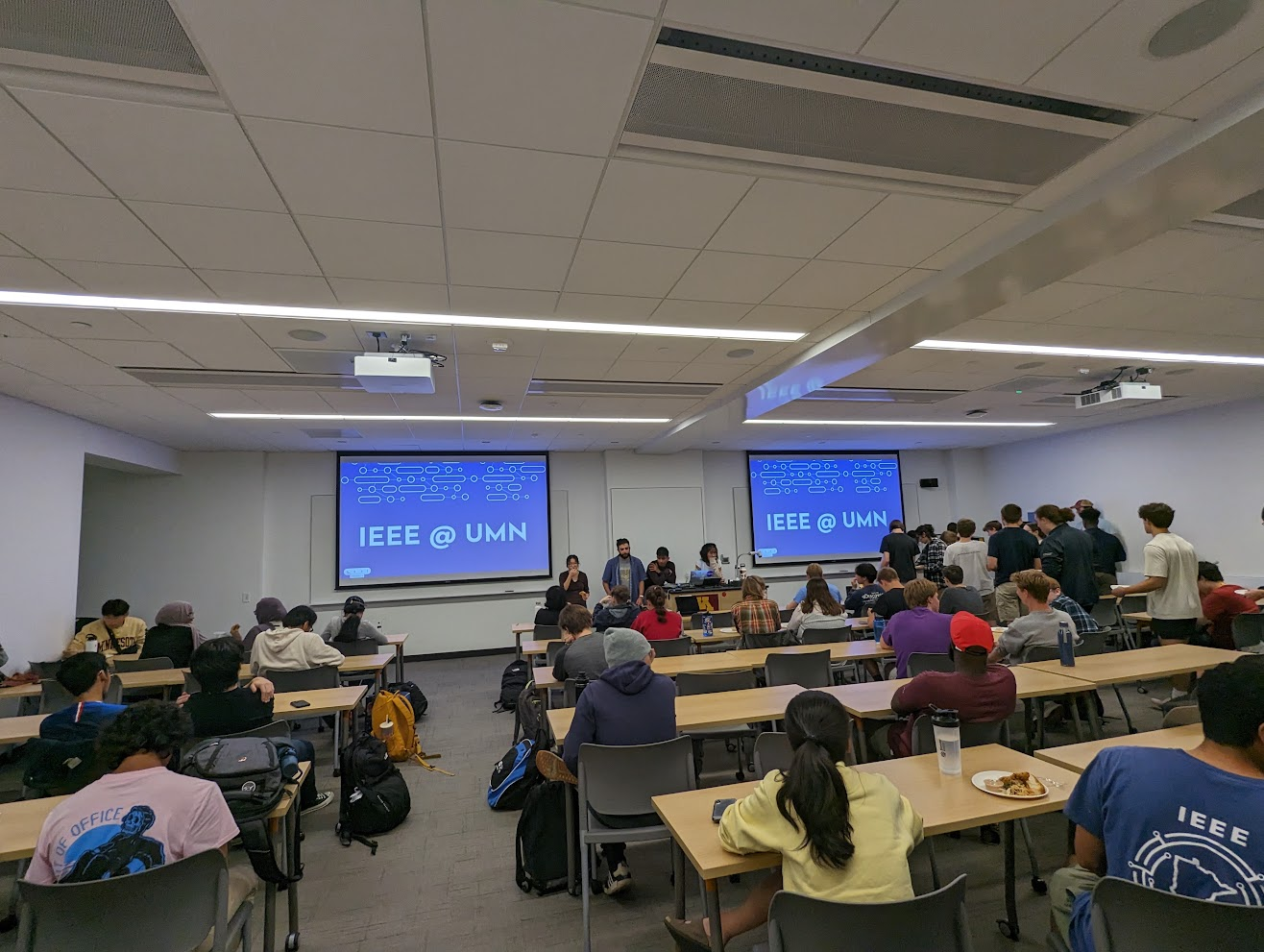
An IEEE student chapter event at the University of Minnesota.
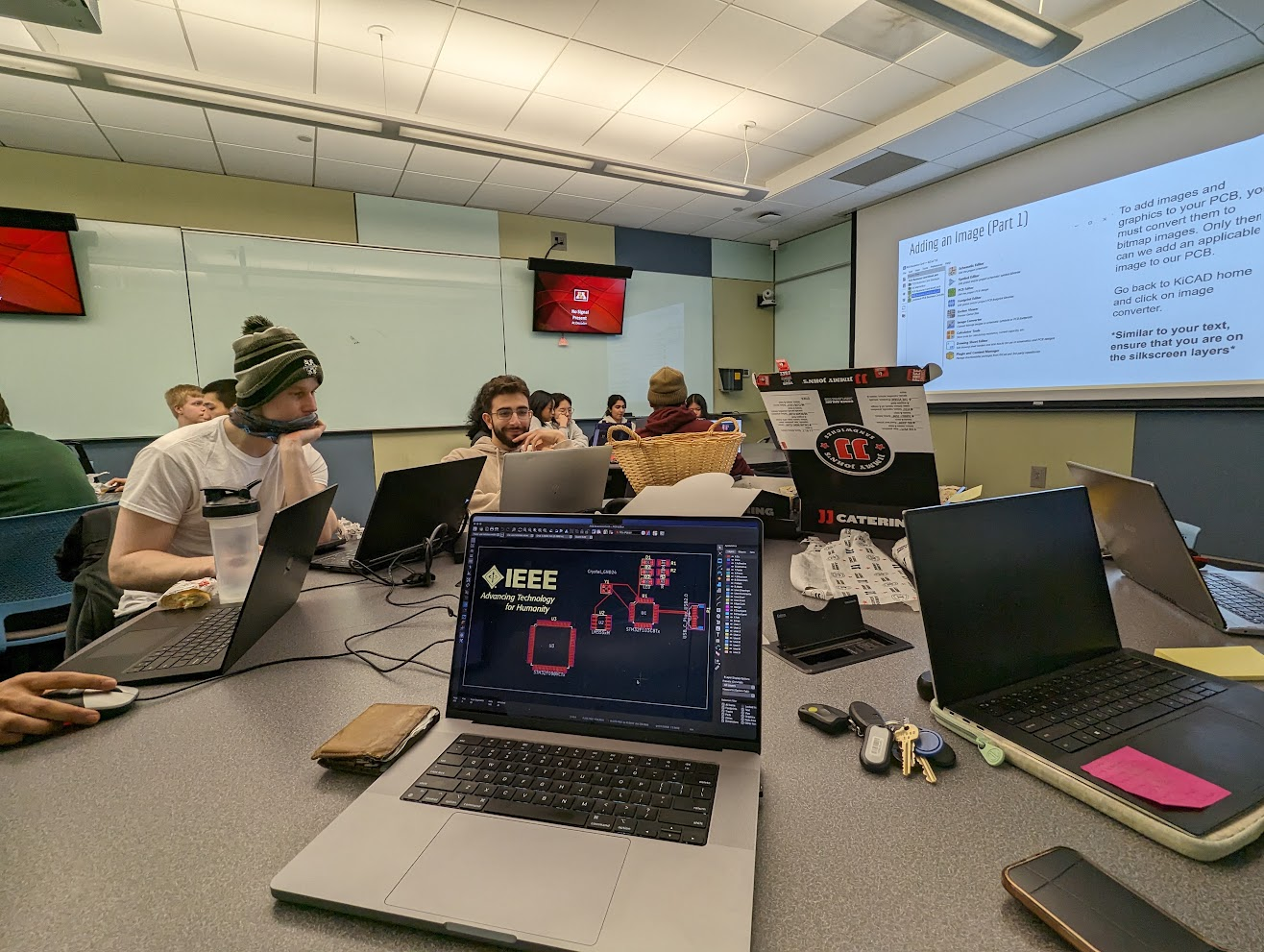
Working through circuit-board layouts in KiCad at a PCB design workshop.
AT THE LAPTOP / PCB DESIGN
Turn a circuit into a board.
PCB workshops gave students a way into custom electronics. We worked through board layouts in KiCad, including the details that make a design their own, such as graphics and silkscreen.
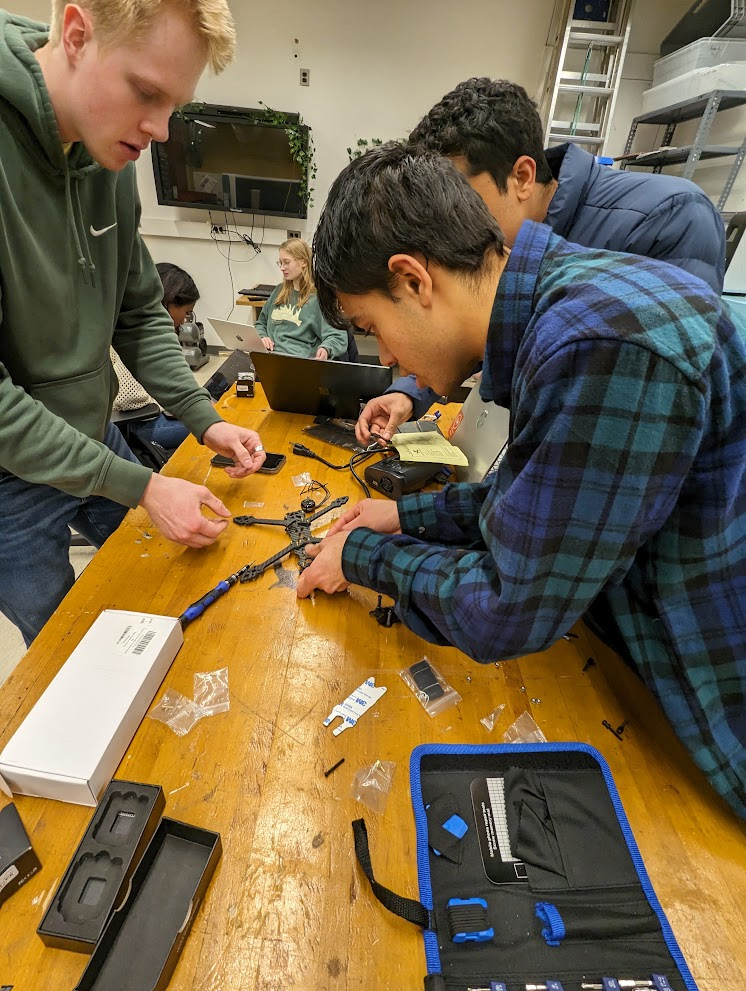
A drone build in progress: frame assembly, electronics, and wiring.
AT THE BENCH / DRONE BUILDS
Connect the parts and make them work.
Drone workshops brought the frame, motors, electronics, and wiring together. Students could work on the physical build alongside other members and get more comfortable with the hardware.
BEYOND THE WORKSHOP
Share electronics with a wider audience.
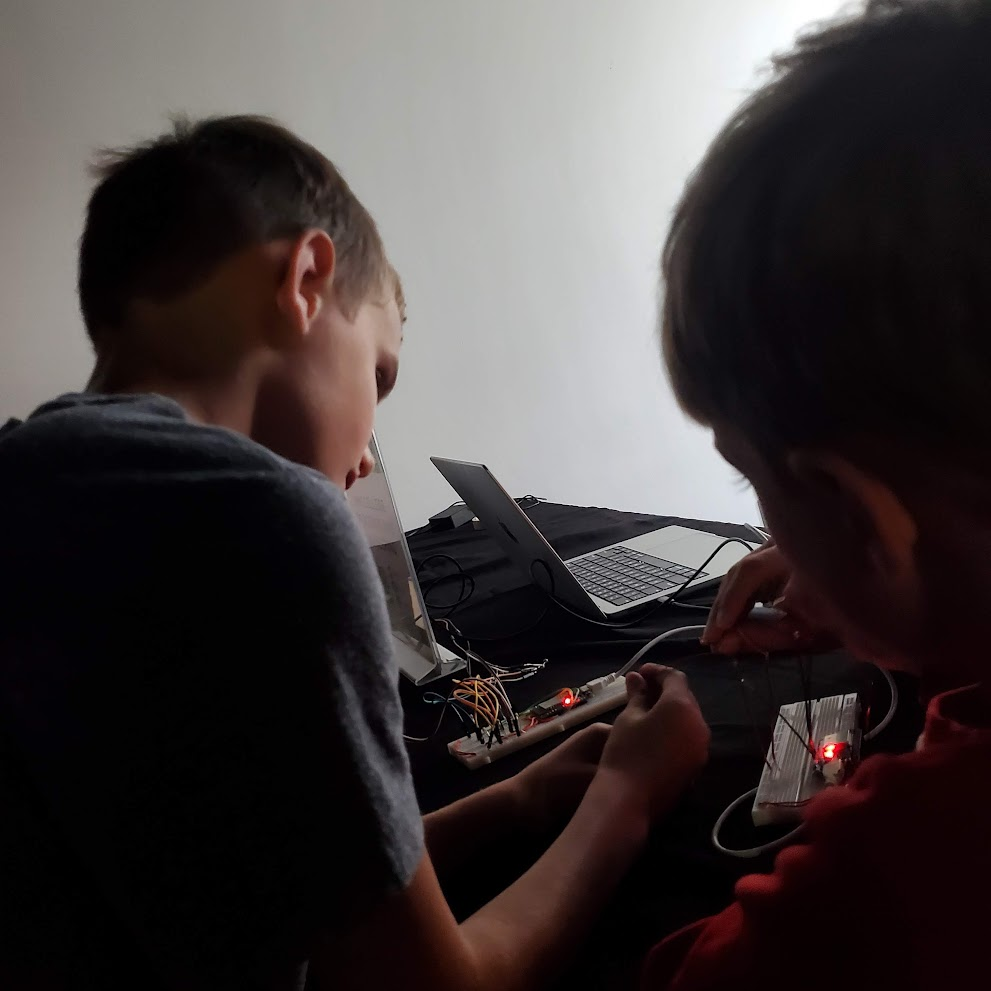
I also helped lead community outreach and mentorship, including volunteer STEM demonstrations at the Bakken Museum. Across our outreach activities, hands-on circuits and visible demonstrations gave people something concrete to explore.
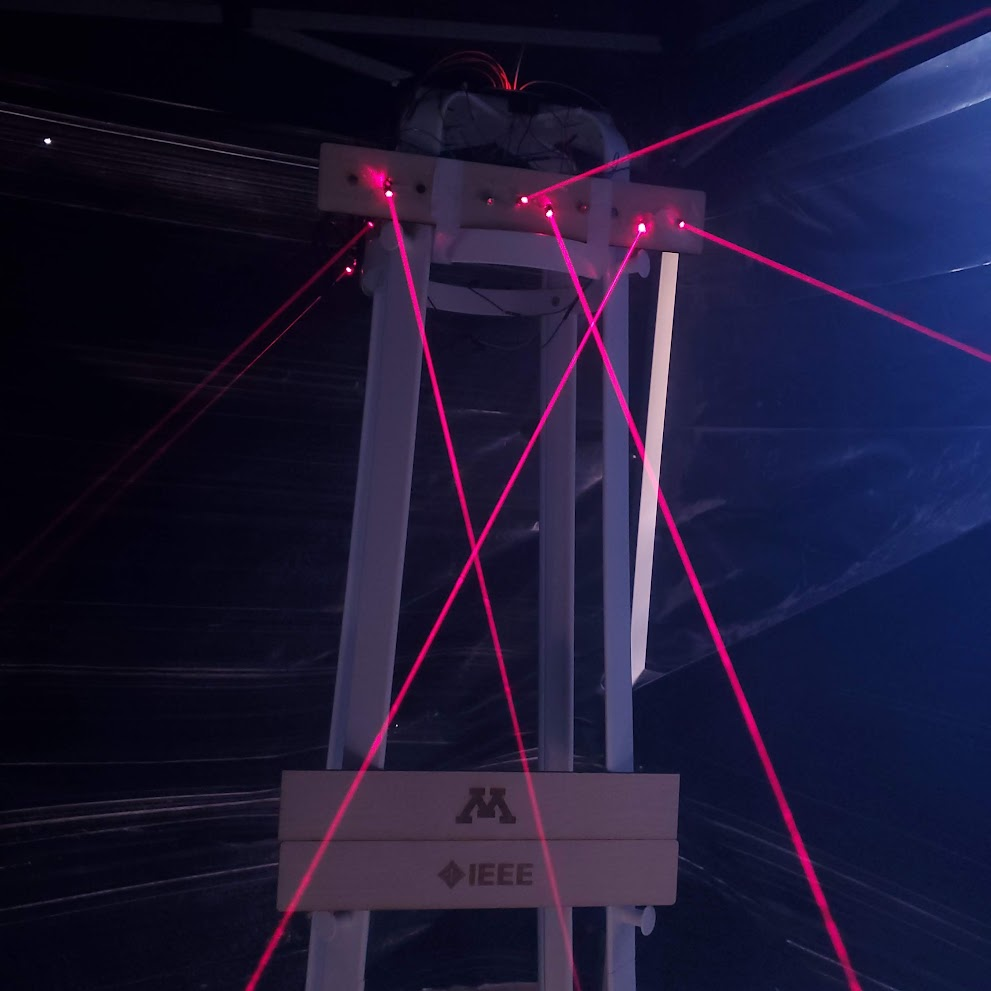
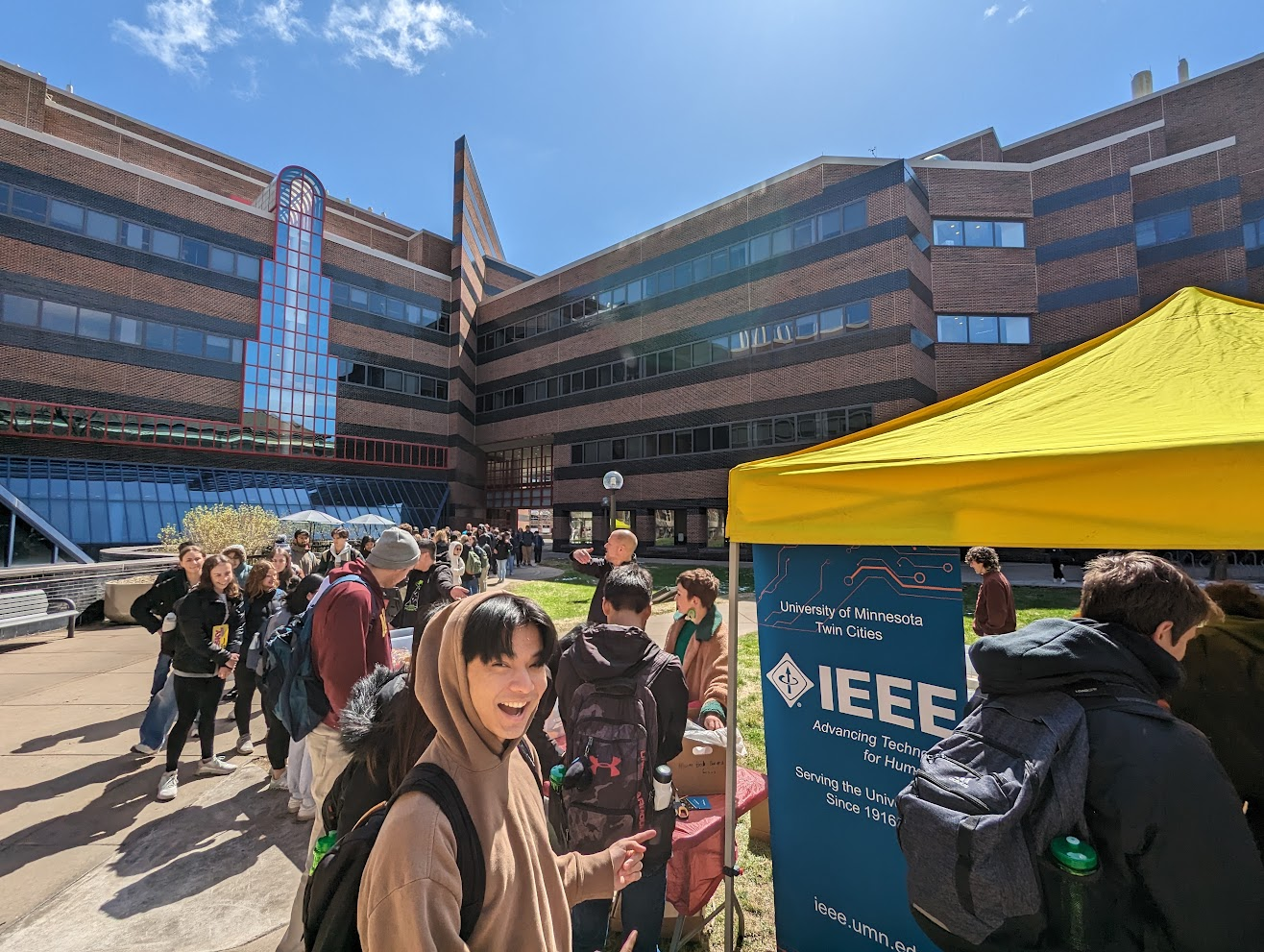
The chapter laser demonstration.Trying out circuits together during an electronics activity.Meeting students at the IEEE outreach table on campus.
CHAPTER LIFE & IEEE INTERNATIONAL
A community beyond the bench.
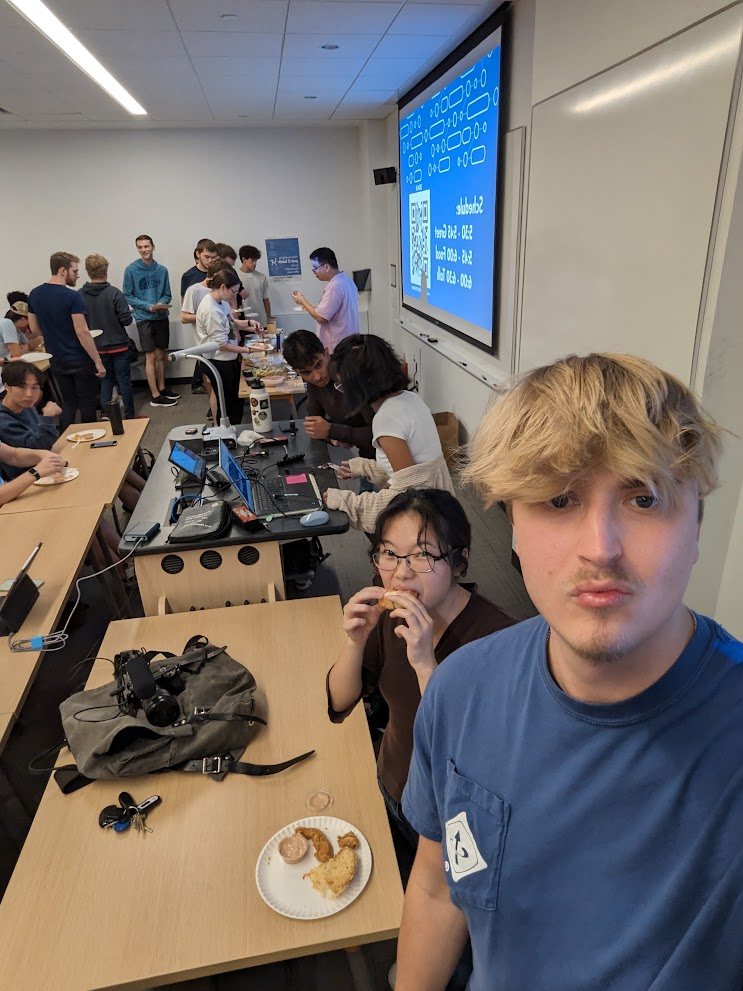
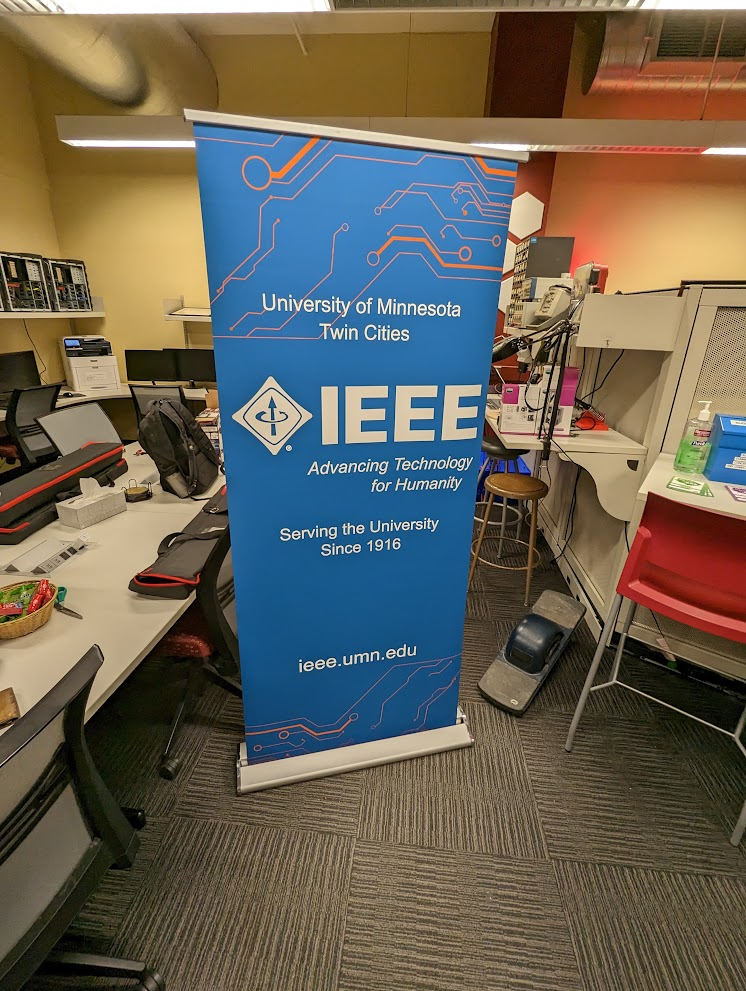
Chapter gatherings and the shared workspace brought projects, food, and conversation together between workshops.
IEEE International / 2023–2024
Alongside the chapter work, I volunteered on student benefits and educational webinars for mentors and student branch leaders, helping committee leaders connect with students and the international IEEE community.
Projects and conversation at a chapter gathering.The student chapter workspace.
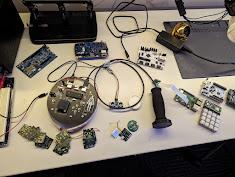
Circuit boards and electronics projects on the demonstration table.
Hardware demonstrations were part of chapter life, alongside the workshops, gatherings, and outreach.